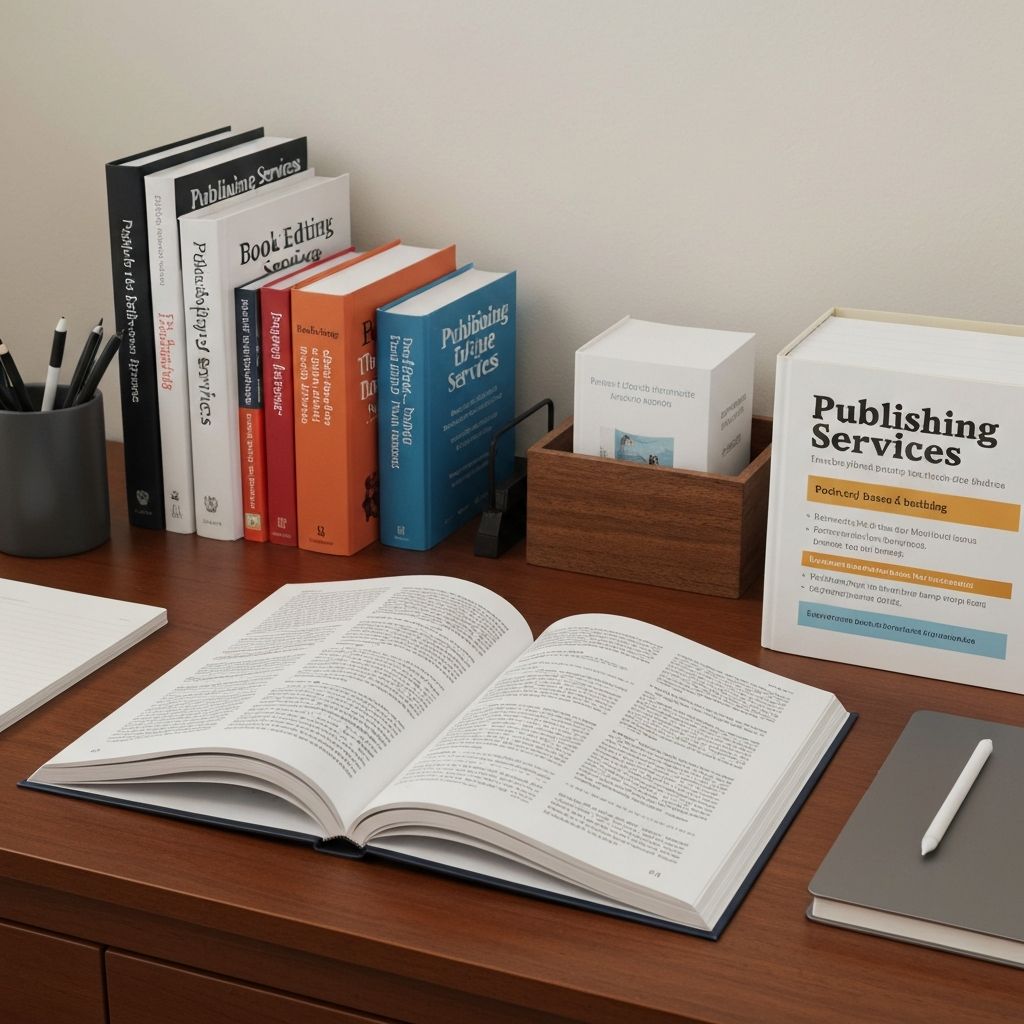
Self-publishing has revolutionized the literary landscape, empowering authors to bring their stories to readers without traditional gatekeepers. Whether you're a first-time author or an experienced writer exploring new distribution channels, this comprehensive guide will walk you through every step of the self-publishing journey.
Understanding Self-Publishing
Self-publishing has grown exponentially over the past decade. With the rise of digital platforms and print-on-demand services, authors now have unprecedented control over their creative work. Unlike traditional publishing, where publishers handle production, marketing, and distribution, self-publishing puts you in the driver's seat. This means more creative freedom, higher royalty rates, and faster time to market—but it also requires you to manage multiple aspects of the publishing process.
Step 1: Preparing Your Manuscript
Before you publish, ensure your manuscript is polished and professional. This involves multiple rounds of self-editing, followed by professional editing services. You can find excellent editors who specialize in various genres. Consider hiring a developmental editor for structural feedback, a copy editor for grammar and style, and a proofreader for that final polish. Remember, the quality of your manuscript is your reputation—invest time and resources to make it shine.
Step 2: Cover Design and Formatting
Your book cover is the first thing potential readers will see, and it needs to make an immediate impact. Cover trends vary by genre, so research what's working in your category. Professional cover designers can create designs that appeal to your target audience while standing out on digital shelves. Interior formatting is equally important—poorly formatted books can ruin the reading experience and lead to negative reviews.
Step 3: ISBN and Legal Requirements
In the United States, you can purchase ISBNs from Bowker, the official ISBN agency. An ISBN is essential for bookstores and libraries to track your book. You'll also need to understand copyright laws—your work is automatically copyrighted upon creation, but registering with the US Copyright Office provides additional legal protection. Don't forget to include proper copyright pages, disclaimers, and legal notices in your book.
Step 4: Choosing Distribution Channels
Self-publishers have multiple distribution options. Amazon Kindle Direct Publishing (KDP) is popular for both ebooks and print books, offering wide reach and competitive royalties. IngramSpark is another major platform providing access to bookstores and libraries worldwide. Consider your goals: if you want maximum reach, use multiple platforms. If you prefer simplicity, choose one primary channel. Each platform has its own royalty structure, so calculate your potential earnings before deciding.
Marketing Your Self-Published Book
Marketing is where many self-published authors struggle, but it's crucial for success. Build your author platform before launch through social media, a website, and an email list. Instagram, Facebook, and TikTok are particularly effective for book marketing. Collaborate with book bloggers, participate in virtual book tours, and engage with readers authentically. Remember, marketing is a marathon, not a sprint—consistent effort over time yields the best results.
Success in self-publishing comes from treating it as a business. Track your sales, learn from your mistakes, and continuously improve your craft. The self-publishing market is thriving—your story deserves to be part of it.